Strategic Planning & Forecasting
Strategy and Long-Term Planning
Aligns facility needs with organizational goals through proactive, multi-year planning
-

Facilitate workshops with facility teams to align facility needs with long-term business objectives.
01 Alignment
We work with all stakeholders to define and align long-term goals early in the process. This ensures clarity and buy-in that guides all future decision-making. -

Develop multi-year capital and operational roadmaps tied to organizational growth and sustainability goals.
02 Roadmap
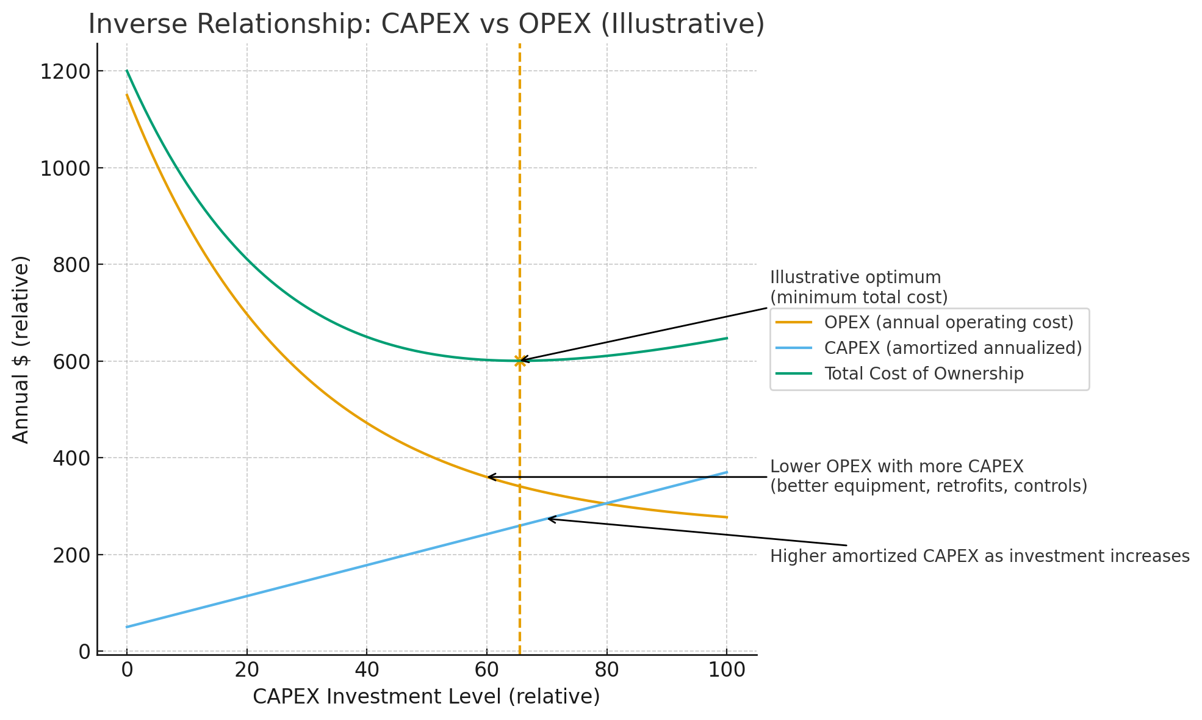
We map out repair and replacement needs and tie them directly to your funding structure. This prevents surprises and supports predictable capital outflows. -

Ensure planning integrates regulatory, financial, and operational requirements.
03 Planning
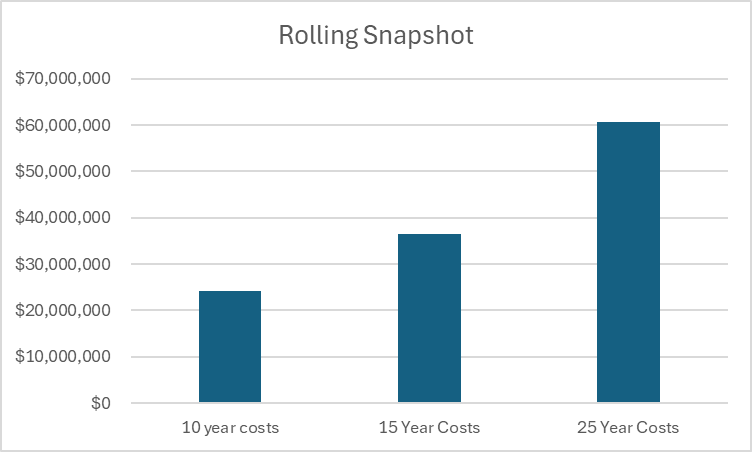
Our long-range forecasting tools offer strategic insight into how facility needs will evolve over time. These snapshots inform lifecycle budgeting and sustainability planning. -

Consult on internal facility risk with elastic company priorities.
04 Review
We evaluate your current capital program and formulate probable cost risk overtime. This helps company leadership to see more clearly the pitfalls of different capital repairs.
Start a Discovery
10-day pressure test
Layers of Influence
Tiered steps toward implementation
Aligning all stakeholders—owners, operators, tenants, and community partners—requires more than managing facilities day to day.
This layered approach ensures our business objectives and culture are at the core, guided by reliable information and data, and supported by the right resources.
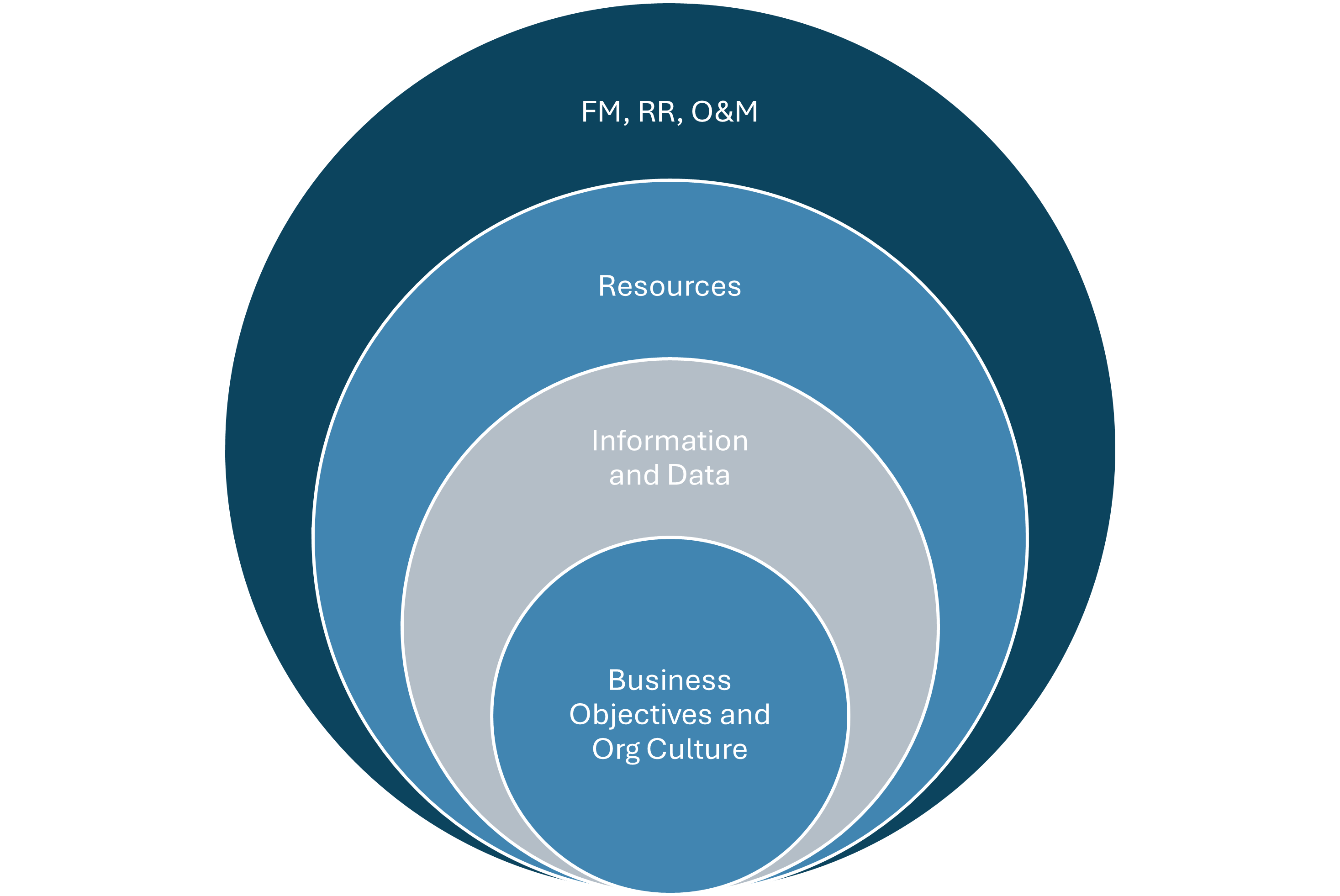
When we connect these foundations to facility management, repair and replacement, and operations, everyone works from the same roadmap.
The resulting alignment helps us justify long-term strategies, reduce surprises, and ensure our facilities serve passengers and partners reliably for decades to come.
-
Aligns stakeholders early to reduce future conflicts and misaligned expectations.
-
Enables long-term capital forecasting for more predictable budgeting.
-
Reduces financial risk by tying facility needs directly to funding strategy.
-
Improves investor and lender confidence with 25–75 year projections.
-
Minimizes unplanned costs by identifying needs decades in advance.
-
Prioritizes capital allocation based on lifecycle strategy, not guesswork.
-
Ensures funding models support actual maintenance demands.
-
Creates a proactive, rather than reactive, planning culture.
Read more …Strategic Planning & Forecasting
- Hits: 1671